Vritra / Multi-mission jet UAV

When
minutes
matter.

Taiyo Aerospace builds jet-powered, autonomous aircraft — engineered in India for the missions where speed, range, and reach decide outcomes. Medical resupply. Search-and-rescue. Disaster response. And more, on request.
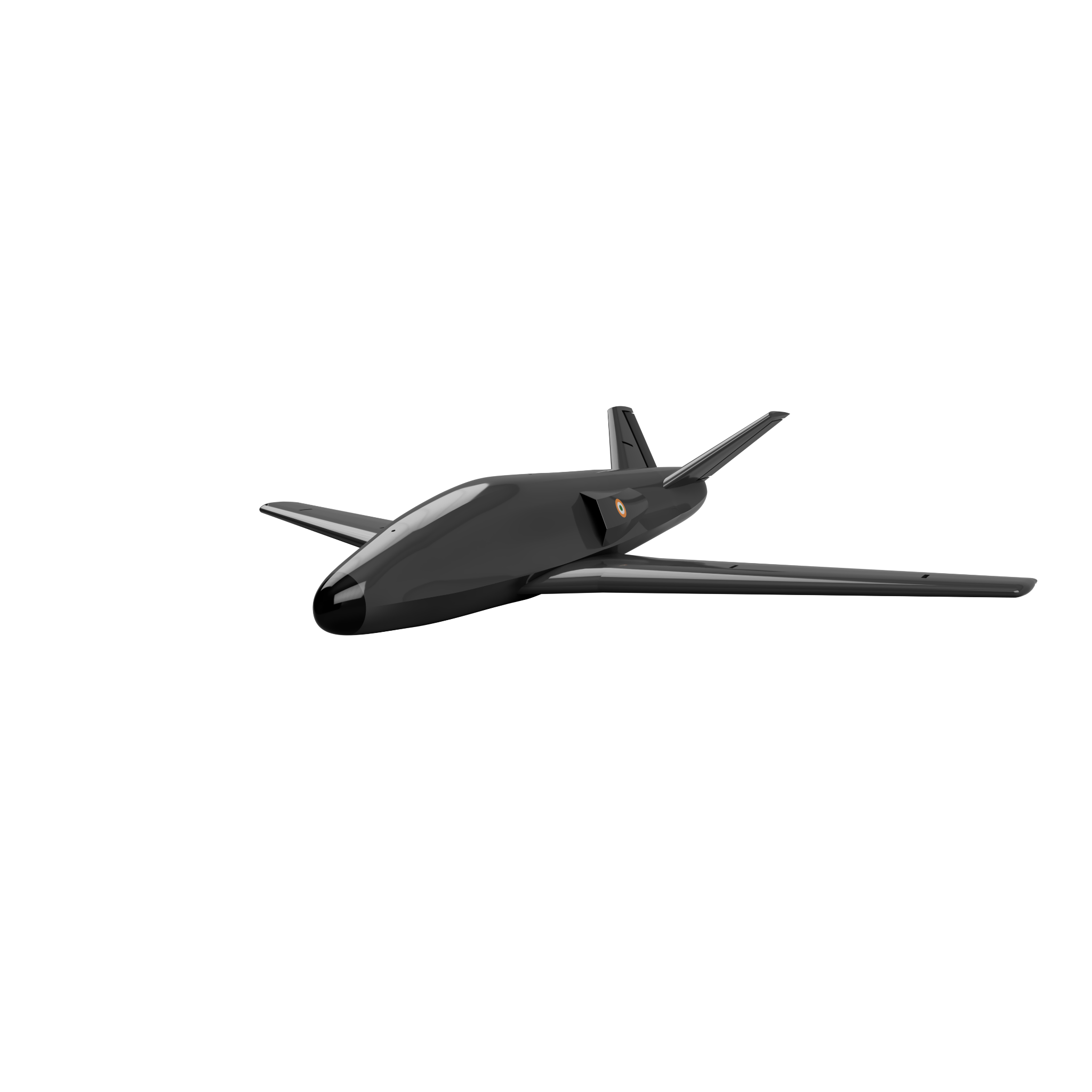
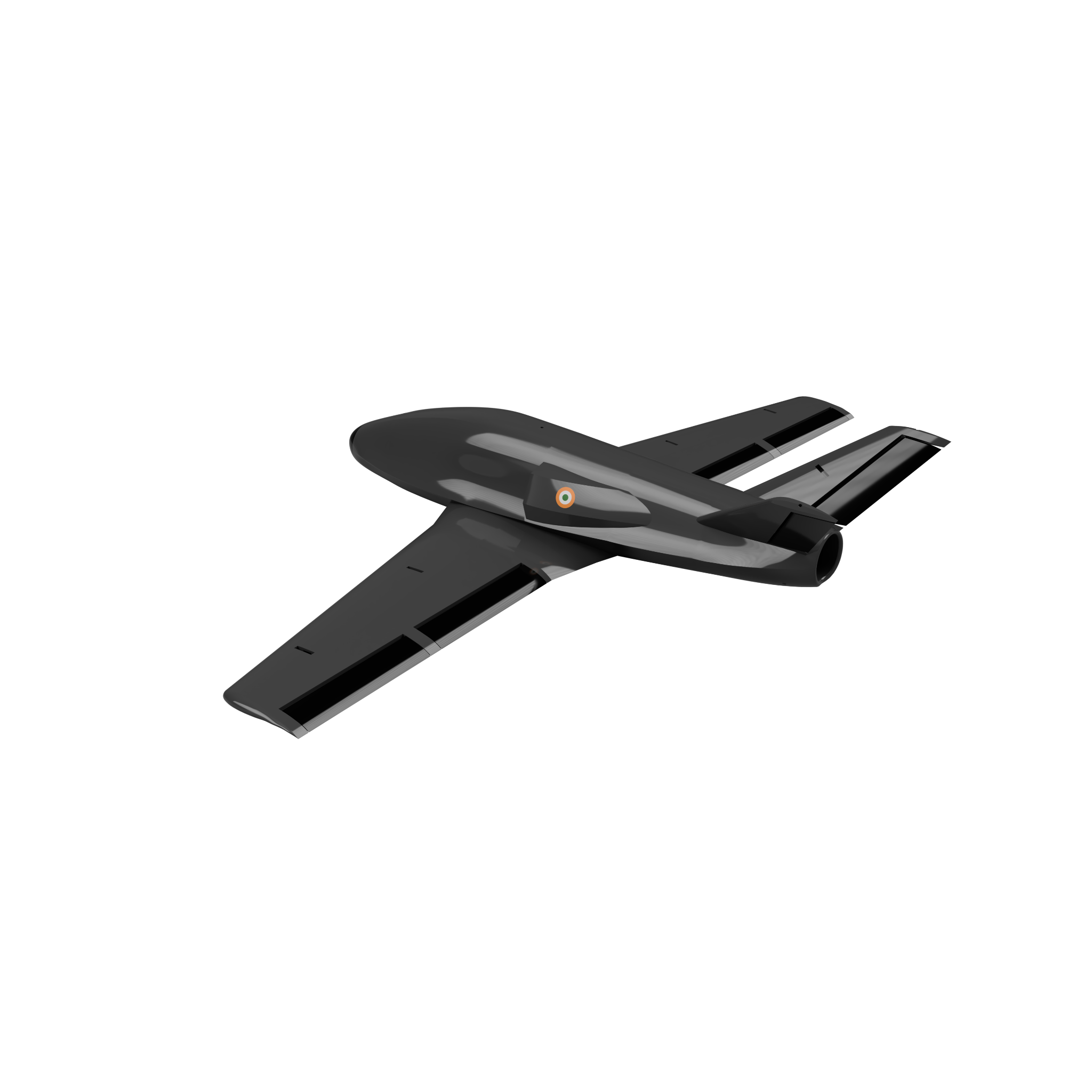
Vritra UAV
Full-scale prototype in ground testing Est. 2024
01 / Mission

Our charter

Bootstrapped
Why we exist

Many of India's most urgent missions are time-bound. A medical case at a remote post. A vessel in distress at sea. A village cut off by floods. Today they share one bottleneck: nothing fast enough is cheap enough to actually deploy.

Taiyo Aerospace was founded in 2024 to close that gap. We build jet-powered, autonomous aircraft — fast, long-range, low-cost, and indigenous — engineered for the conditions where seconds count and infrastructure does not. We design our airframes, write our flight code, and intend to build our own engines.

02 / Product

Meet Vritra

Multi-mission jet UAV
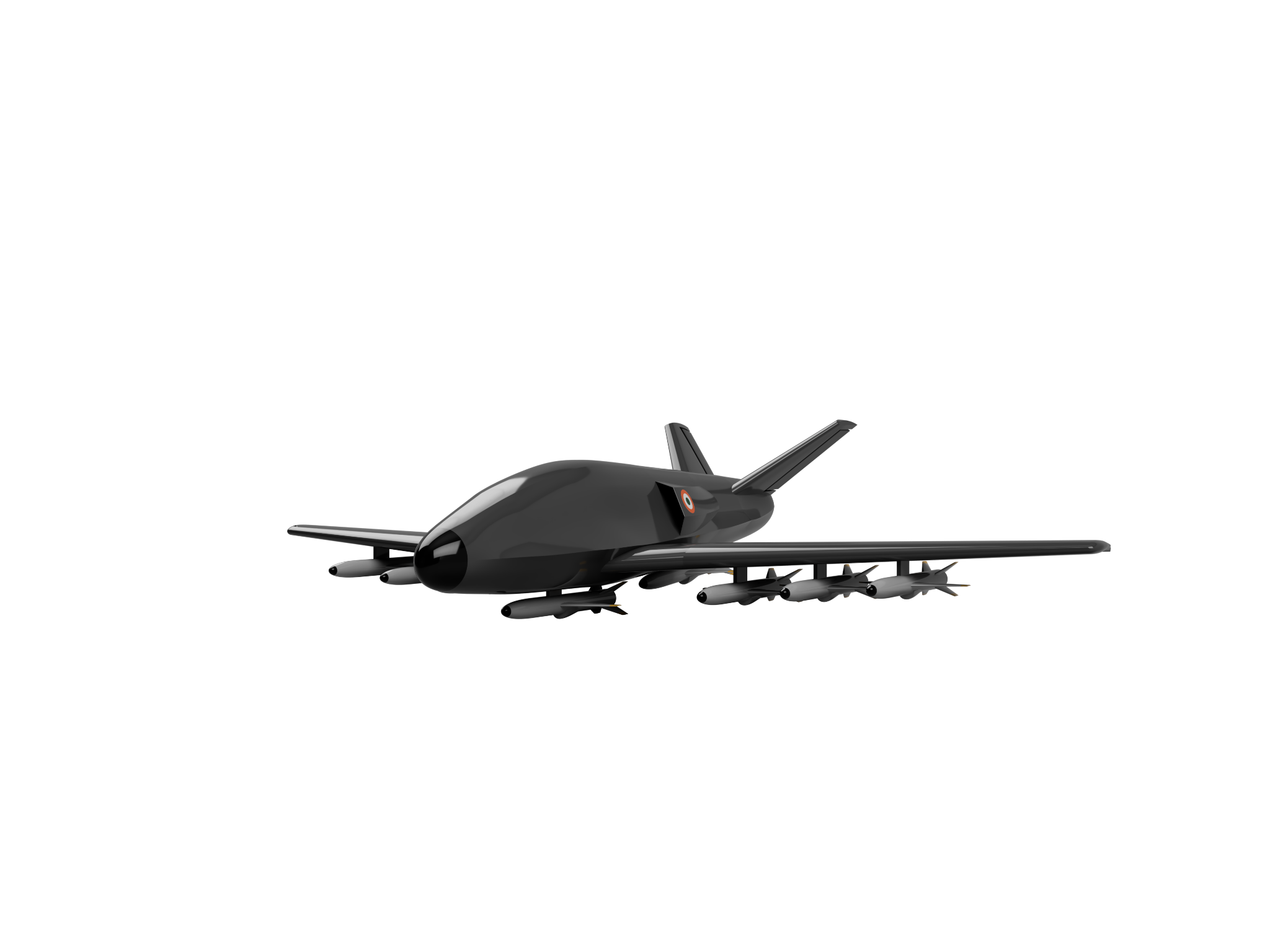
Taiyo VR-1 / Vritra

VRITRA

Engineered for response.

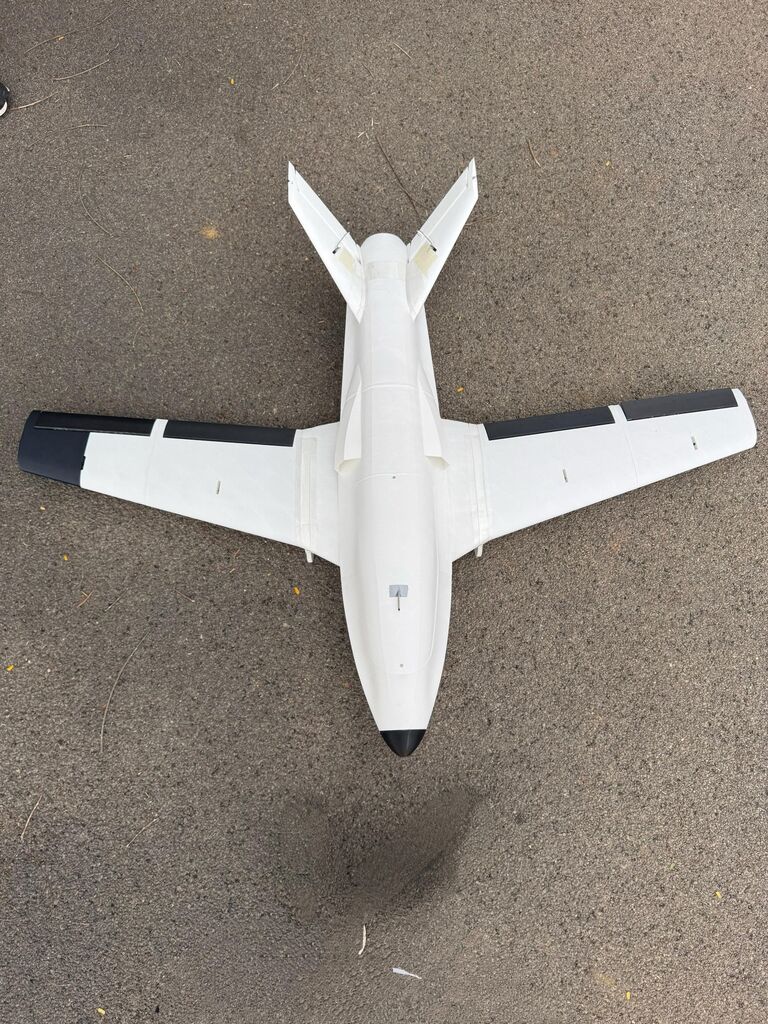
A jet-powered, autonomous fixed-wing aircraft built around a modular payload bay. Two ruggedized cases fit in an SUV. Ten minutes from case-open to launch from a short dirt strip. Onboard autonomy completes the mission even when comms are denied.

Vritra top view
Max Speed
450km/h
High-subsonic dash
Cruise
250km/h
Efficient transit
Range
150km
Operational radius
Endurance
2hr
Loiter mode
MTOW
~55kg
Fully loaded
Wingspan
2.4m
Detachable wings
Payload
15kg
Modular bay
Field
<200m
Short dirt strip
03 / Missions

One airframe. Many missions.

15kg modular bay
MISSION / 01

Medical Resupply

Blood units, vaccines, defibrillators, and emergency pharmaceuticals to remote bases, ships, and high-altitude posts. The speed of a jet, the range of a fixed-wing, at a cost low enough to actually deploy.

MISSION / 02

Search & Rescue

Wide-area scan during the critical golden hours. High-speed transit to the search zone, low-altitude loiter with thermal and visual sensors, real-time relay to ground teams.

MISSION / 03

Disaster Response

Persistent overwatch for floods, earthquakes, and forest fires. Damage assessment, communications relay, and supply runs into areas where roads and runways no longer exist.

Additional payload configurations available on request to qualified parties.

Setup
<10 min

Case-open to ready-to-launch by a 2-person crew.

Assembly
Tool-less

Click-lock joints with screw-lock MIL connectors.

Fuel
Multi-fuel

Standard Jet-A1 or commercial-grade diesel.

Turnaround
<10 min

Hot-pit refuel for high-tempo, repeat-mission operations.

04 / System

System architecture

Modular · Open · Indigenous
Airframe
SUBSYSTEM / 01

Airframe

  • Carbon-fibre monocoque unibody
  • Continuous curvature minimises observability
  • Serpentine S-duct inlet protects the turbine face
  • Detachable wings via quick-release pins
  • Modular payload bay between wing roots
JetCat P250 turbojet
SUBSYSTEM / 02

Propulsion

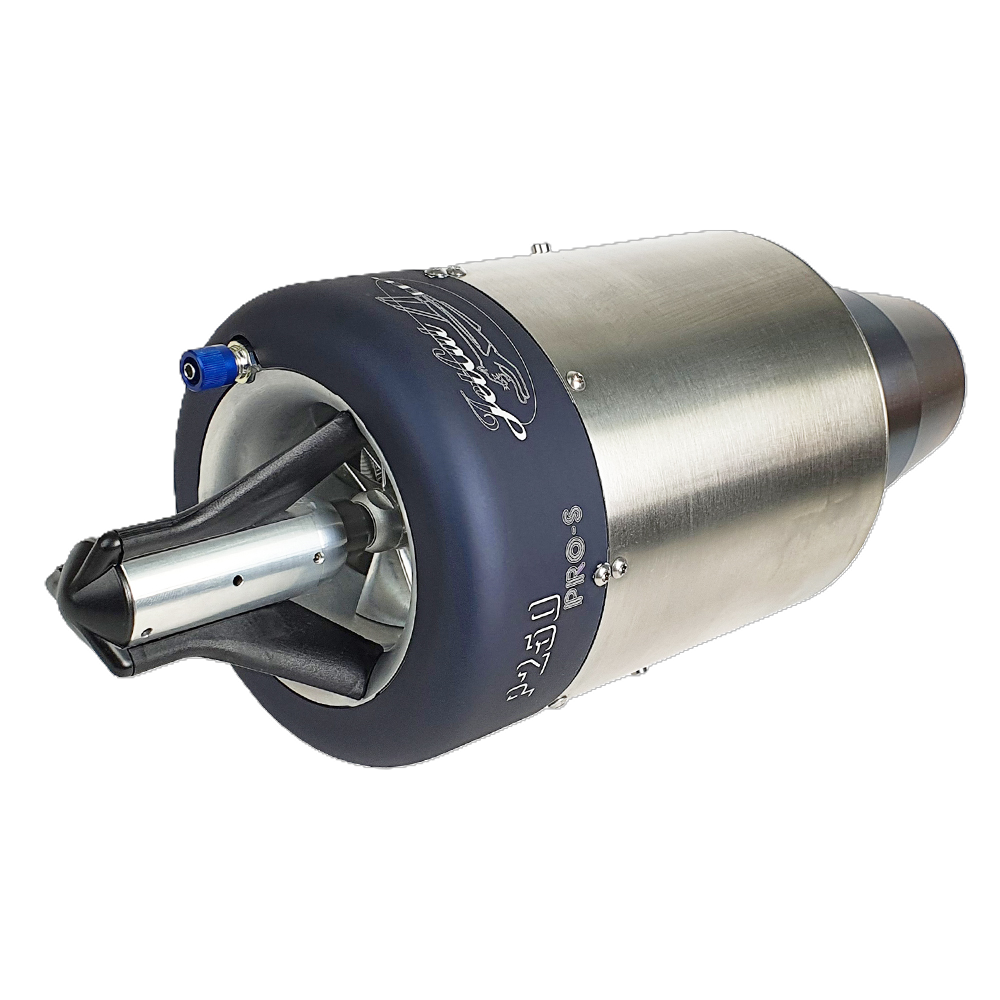
  • JetCat Pro P-250 micro-turbojet
  • ~25 kg thrust, multi-fuel (Jet-A1 / diesel)
  • Eases logistics for remote, forward, and field operations
  • Hot-pit turnaround under 10 minutes
  • Roadmap: indigenous Indian-made turbine
Overmier validation quadcopter
SUBSYSTEM / 03

Overmier AI & Avionics

  • Pixhawk Cube Orange+ flight controller
  • NVIDIA Jetson Orin Nano onboard compute
  • Real-time autonomous object detection
  • EMI-hardened decision chamber
  • GPS-denied navigation via visual + dead reckoning
05 / Status

Where we are

Ground testing
Full-Scale Prototype · Ground Test Vritra full-scale prototype

Full-scale prototype built. Ground testing underway.

The full-scale carbon-fibre airframe is assembled. We're putting it through ground integration — bench-running avionics, exercising control surfaces, and validating the propulsion stack on the test stand before first flight.

Our 70% scale aerodynamic prototype validated yaw response, climb performance, pitch authority, and surface drag in flight. Overmier AI integration is staged on a quadcopter testbed and rolls onto this airframe ahead of the dash-speed envelope.

Airframe Build
Aerodynamics
Avionics Boot
Control Surfaces
06 / Roadmap

Propulsion roadmap

Incremental de-risking
PHASE / 01 CURRENT

Electric Ducted Fan

Prototype validation of airframe, avionics, and AI systems at reduced speed. Low-risk flight envelope exploration.

PHASE / 03 FUTURE

Indigenous Turbine

Indian-developed and manufactured engine for strategic independence, optimised thrust, and supply-chain sovereignty.

07 / Team

The founders

UIUC · Bengaluru

Engineers from the University of Illinois at Urbana-Champaign with hands-on experience building fixed-wing, quadcopter, and hybrid UAVs — from airframe design through autonomous systems and jet propulsion.

We built our initial capabilities through the SUAS Competition, delivering mission-specific drones under tight timelines. We bootstrapped both the 70% scale and full production prototypes — covering all design, fabrication, and testing costs independently.

Abhiram Rachamadugu
Co-founder

Abhiram Rachamadugu

B.S. — UIUC

Previously at Ati Motors working on new product initiatives and rapid prototyping. Focused on airframe design, manufacturing, and program execution at Taiyo.

Nayan Narne
Co-founder

Nayan Narne

B.S. — UIUC

Experience at Seasats building autonomous maritime platforms. Leads autonomy, flight controls, and the Overmier AI stack at Taiyo.

08 / Careers

Build with us

We're hiring

If you've ever wanted to build the engines, airframes, and flight code that show up when seconds count — this is the team.

We're a small, technical, founder-led team. We move fast, build with our hands, and ship hardware.

Roles we're actively interested in:

  • Aerospace / Aerodynamics EngineerBLR/HYD
  • Composite Structures EngineerBLR/HYD
  • Embedded / Flight SoftwareBLR/HYD
  • Computer Vision / ML (Overmier AI)BLR/HYD
  • Propulsion / Thermal EngineerBLR/HYD
  • Mechanical / Manufacturing EngineerBLR/HYD
✓ Received. We'll be in touch soon.